Chapter 1: A Russian Childhood
Olokemeji, Nigeria.09.01.1936
My dear readers, if any: but I know there will be one reader, and that is my daughter, she reads anything. This book is written because a very charming young wife of a political officer in Nigeria pleaded that I should write a book about my travels and all the experiences, amusing and sad, that have befallen me during my gypsy life. She was so enthusiastic and sincere about it that I decided that I would try. My great difficulty will be not having sufficient knowledge of the English language, my friends say they can understand my letters perfectly so I hope they will be able to do so when this is printed. Though I have been in England for seventeen years and I know the language enough to be able to carry on in everyday life, yet I have never got the grammar and spelling perfect. My husband still gets shocked about it every day.
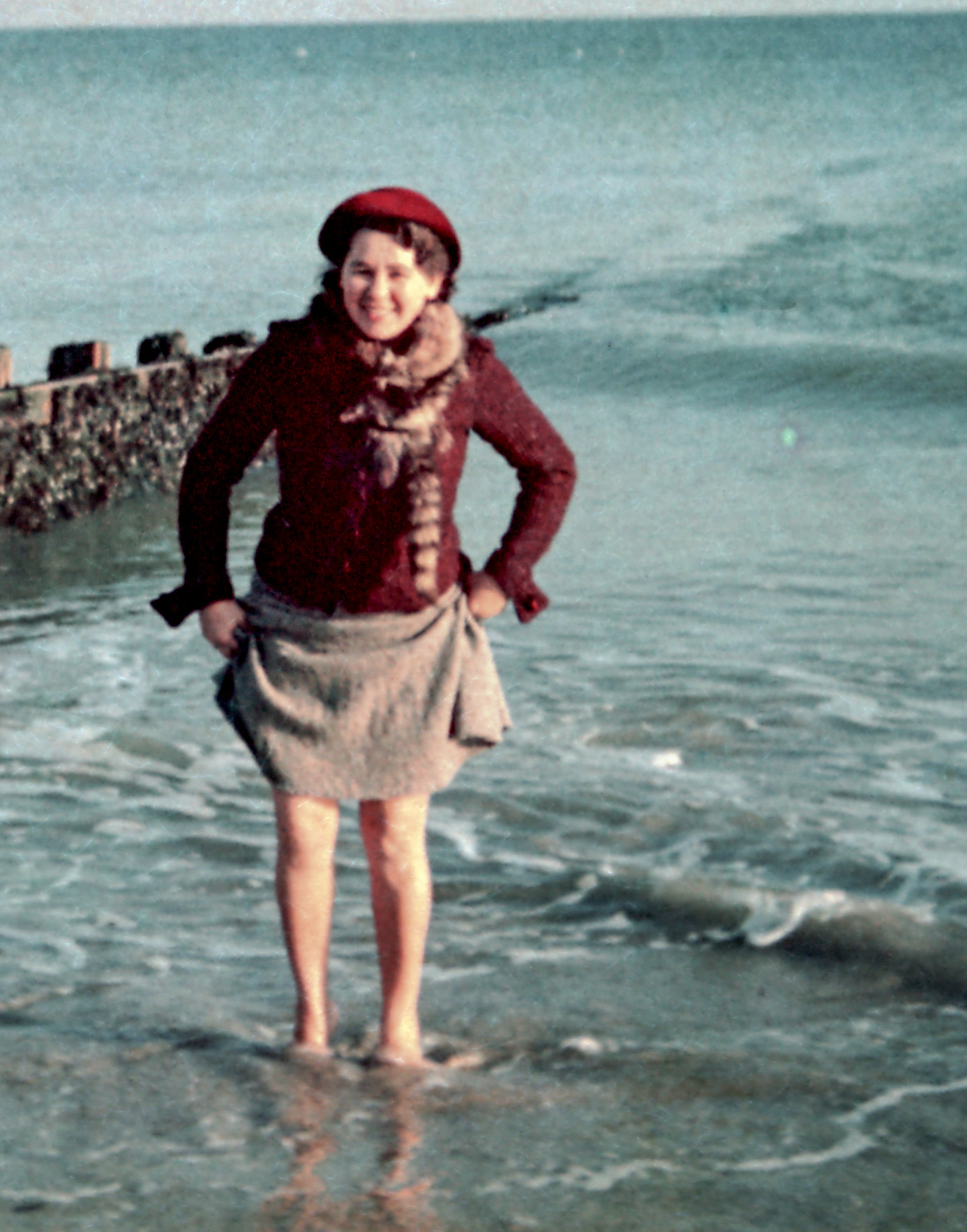
I lived in the heart of the country in Russia until 1914 never moving far from home, as there were no trains or cars, only horses for transport. Life was simple and pleasant. The long Russian winter is not as terrible as you may think. In the big estates there were always house parties, visits to the neighbours, skiing, skating and other sports. In the villages, the peasants enjoyed the winter just as much; they had their dances, games, and tobogganing (and had to attend to their animals). The animals needed a lot of attention during the six months of winter; their food consisted of straw and hay, cut up and mixed with grain or chopped root vegetables. Water had to be brought from the wells, and warmed to a comfortable temperature before it was given to them. In the latter part of winter the young life began, calves and lambs and foals all requiring watching and care. All this, and chopping firewood kept the peasants occupied. Occasional trips to the nearest town for a few necessities gave them a chance to collect news from the outside world. On Sundays everybody put on their best warm clothes and went to church, some on foot, some on horses, according to the distance they had to go. It might have been one mile, ten, or fifteen, but they went just the same.
In a way, the peasants enjoyed winter more than summer. All the courting and weddings were done in the winter months. The girls had their working parties: several of them would gather in one house, bringing their weaving or sewing with them and as they worked they sang or talked and laughed happily all day long. Then in the evening the lads would come in and bring one or two musicians with them. The mother and the girl of the house would get supper and the whole party was given kvas to drink (kvas is brewed from either bread crusts or from red currants: it is something like ginger beer) and then the fun began. The young people would dance and sing and the courting couples were able to talk and dance together. In another house the older people would gather to talk and make their plans for the next spring sowing. Or they might discuss the yearly question of choosing the head of the village, or appointing a shepherd or a swineherd.
Also they would have to consider the list of applicants who wished to borrow some grain for the spring sowing out of the communal emergency grain bins that were kept up by every village. The grain had to be checked and replenished in the autumn, and if anybody had the misfortune to lose his crops the others contributed some for him, so that the appointed amount of grain was always there in case of famine. If anyone had an accident and lost his horse and could not plough his land in time for sowing, his neighbours got together and did it for him after doing their own.
The spring comes very suddenly. At the end of February and the beginning of March the sun gets very warm and the snow softens, then begins to melt, and every little stream swells to a roaring river. The noise of the rushing waters in the spring is a mighty music! Most exhilarating! It means new life, awakening from a six month’s slumber. About a week after the snow begins to melt black streaks of earth appear; we children used to get madly excited about it. We were allowed to play out of doors more, and to discard our warm coats. We used to go and watch the islands of ice float down the river. We still tried to skate and often got a cold bath by falling into the cracks.
Then the green plants began to appear. As far as I remember the nettle comes out first; then the buds on the trees begin to swell and burst. The catkins on the willow look beautiful on Palm Sunday; everybody took a branch of willow to church to be blessed. I wonder if they still do it? If they don't I am very sorry for them, because it was such a beautiful symbol of spring and the resurrection.
People who live in a climate of great extremes are different from people who live in an even climate. Northern peoples are more mystic; they are so dependent on nature. She can be their kind friend or their very cruel enemy. They live with nature, they study her and court her, but there must be a God for them; without a God they cannot exist; they feel too insignificant and helpless. I only hope that God will not desert them and will guide them in the right direction for the better future of all and not only the chosen.
We used to go to Easter midnight service. It was a lovely mysterious journey. We lived about eight miles away from the church. It was an old Jesuit monastery made into a nunnery after the Russians had taken Poland. It was really a cathedral, a lovely old place with very good acoustics. The nuns' voices sounded to me like the angels, and at one time I wanted to be a nun, they looked so serene. They had a farm and managed it all by themselves and they did a lot of handicrafts expertly especially beautiful paintings and embroideries. They had a school which was very efficiently run. Some of the nuns were gentlewomen, with influential relations in the outside world, and some were uneducated peasant women and each had a task to do for which she was best fitted.
As we drove to church the bells of the cathedral were ringing gaily and could be heard in the dark night for miles. The sky was full of stars, the air was not warm but it smelled of spring, and the roads were soft and damp. I used to snuggle down in the back of the carriage and look at the stars and dream of the wonderful life I was going to live. All children think they are going to do wonderful things, and not live as their matter-of-fact elders do. The service was long with beautiful singing. Then the priest would say "Christ is risen", and the congregation would answer "Indeed He is risen", then they sang a special song of resurrection.
This cannot be felt except by people who have spent six months walking in trenches cut in the snow, getting lost in snowstorms, being frostbitten and who may have lost their dried store of root vegetables through frost getting deep into the earth. People who have perhaps even lost their dear ones because the weather would not allow a doctor to be brought.
All these things give that wonderful gladness of resurrection: spring! After the service we all greeted each other. It is the time to forgive your enemies and greet them too, for it is a great sin to harbour malice and not to forgive sincerely on Easter Day. Then we came home and sat down to a gorgeous breakfast. A whole week was spent in preparing the Easter festivities; some wonderful dishes were made. I wish I knew how to make them now. All these delicacies were the more appreciated because we had had forty days of Lent before Easter. It used to be very painful for me to see these wonderful things being made, and not being able to enjoy them immediately. In fact I admit now that I fell once or twice when I was very young, and took away some morsel into a dark corner and ate it very quietly so that God would not hear or see me, and when the things were found missing they blamed the dogs. I wonder if they knew?
After Easter life went with a rush. The grown-ups were very busy with planting and sowing and the children had to start life again where they left off in the autumn. There were wonderful games to play and all the corners in the gardens to be explored. Sometimes toys were found that had been left under the snow all the winter. The streams were full of fish to be caught, though I did not like that very much and even if I went with others to fish I did not catch them with a hook. I caught mine with my hands under the stones and put them carefully in a bucket of water and when my bucket was full I put them back in the river. Also there were young horses to be tried; it was a great thrill to mount a horse and get home by holding on to its mane.
In April and May the trees begin to flower. Perhaps it is the contrast of the climate that makes the spring in Russia so magnificent: masses of bloom everywhere and the orchards are like paradise. The birds make the orchard still more like paradise; they sing untiringly. What wouldn't I give to a magician who would transport me for a day to our old orchard! To sit under a cherry tree and listen to the larks and other birds. To watch fantastic reflections of trees in the brook, instead of being in a Nigerian railway station listening to the cackling of a fool bird from a dusty bush. Everything is dusty at this time of the year in Nigeria as the Harmattan brings fine dust that invades everything; it lessens the heat of the sun but the penalty for this mercy is severe as the dust is very trying. For a couple of months it gets into your nose and eyes, and irritates your lungs. But I will say no more of Nigeria for the present.
In the spring and summer all the workmen and women come in to be paid for their day’s work. I used to hear them singing a long way off before they arrived. Russian voices are usually very good; I suppose it is the climate that makes them so. Their mass singing is also good. Usually in a crowd there will be someone who starts the song solo and then the rest will pick it up and carry on, it is most impressive.
After the planting and sowing the haymaking begins. The villages do their own first, then they go to the big landowners in order to earn some extra money. Pay for the harvest worker was very high all through the summer as everyone wants to get his work done in time. The happiest and most colourful part of the harvesting season is the haymaking. Men go out around three o'clock in the morning with their scythes, and begin to cut the grass. They stand all in a row and swing their scythes in time: swish, swish, swish. They go on with it till the dew dries and the sun gets hot, then they come home and have breakfast and rest. In the afternoon you hear them hammering their scythes to sharpen the edges, and they will go out again when evening comes and the dew falls.
After the hay had dried, the men and women went out in their best bright clothes to bring it in. You see cartloads of hay and gaily dressed people going about with rakes on their shoulders singing, collecting hay, and piling it on hayricks. Then in the evenings they go homewards singing. And if anybody was sick and could not do his share the neighbours would come and do it after they had finished their own. A widow or young orphans were always helped.
After the hay, corn, rye and other crops had been harvested every able man and woman was busy until the winter. The root crops were the last, and much trouble was taken over storing, drying and preserving them for the winter. Then the flax had to be prepared for the linen: there is a lot of work to be done before a roll of linen is made.
The wool too had been gathered from the sheep during the summer and needed to be made into cloth. This kept the women busy in the winter. Most of the clothes that the country people wore were made by themselves.
Autumn changes into winter very suddenly, but everybody is prepared for it and rather enjoys the prospect of rest after the summer's continuous toil.